COMMERCIAL • INDUSTRIAL • CONCRETE PREPARATION
Concrete Surface Preparation
Commercial and industrial concrete preparation for coatings, overlays, repairs, restoration, architectural finishes, and renovation projects throughout the San Francisco Bay Area.
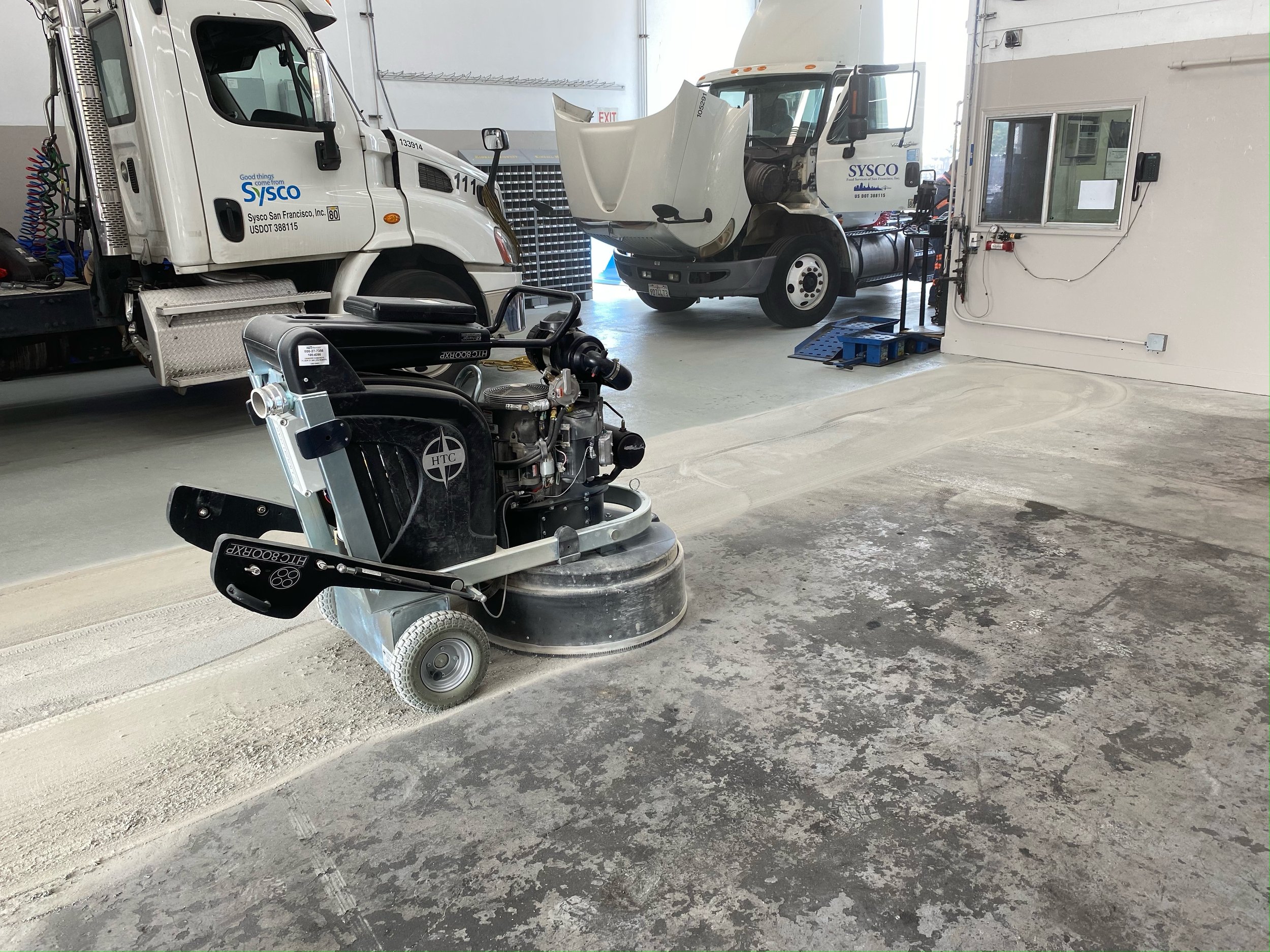
Methods selected for the existing condition and required finished surface.
PREPARATION BEFORE THE NEXT SYSTEM
The finished coating is only as good as the surface beneath it.
The objective is a concrete condition appropriate for the coating, overlay, repair material, architectural finish, or next construction phase. PDB evaluates the surface and intended system before selecting how to prepare it.
- Existing coating or sealer
- Surface contamination
- Concrete condition
- Desired surface profile
- Final coating or overlay
- Access & production
- Edges & perimeters
- Project specifications
CORE CONCRETE SERVICES
Prepare the complete scope.
From the main surface to the details.
Concrete Surface Profiling
Create the texture required for compatible coatings, overlays, repair materials, and other bonded systems. Coordinate the required profile with the coating or flooring manufacturer and project specification.
Paint, Epoxy & Coating Removal
Remove suitable paints, epoxies, sealers, curing compounds, adhesives, and other treatments using an appropriate method. Coating type, thickness, adhesion, contamination, and concrete condition are evaluated first; blasting alone may not suit every coating.
Shot Blasting
Controlled mechanical preparation for suitable horizontal concrete areas. Shot blasting concrete can support consistent production, coating removal, and profiling across large areas before coatings or overlays. Floor condition and the required result determine suitability.
Abrasive Blasting / Concrete Sandblasting
Concrete abrasive blasting can support cleaning, coating removal, profiling, restoration preparation, and aggregate exposure. It can also address suitable irregular surfaces where the main floor-production method may not reach.
Architectural Concrete Preparation
Controlled preparation and blasting of suitable architectural concrete, including aggregate exposure and restoration work. Use a representative test area or mockup to establish appearance before production.
Edge, Detail & Difficult-Access Preparation
Edges, corners, wall transitions, columns, stairs, curbs, and penetrations may need separate detail preparation. Define these areas alongside the main production surface so the complete scope is clear.


SURFACE PROFILE MATTERS
Preparation should match the coating or repair system.
Concrete Surface Profile—CSP—describes the texture of a prepared concrete surface. Different coatings, overlays, repair systems, and flooring materials can require different levels of texture.
PDB can help evaluate the preparation method based on the specified or intended final system. Establish the required profile before production and coordinate verification with the project team.
BEFORE MOBILIZATION
Concrete conditions can change the preparation plan.
Existing Coatings
Identify paint, epoxy, sealer, curing compound, adhesive, waterproofing, or another surface treatment.
Concrete Condition
Review spalling, cracking, laitance, weak surface paste, previous repairs, and damaged areas that could affect preparation.
Contamination
Consider oil, grease, chemicals, staining, and moisture-related conditions that may require separate evaluation or treatment.
Final System
Confirm whether the next system is paint, epoxy, urethane, overlay, repair material, waterproofing, flooring, or architectural exposure.
Access & Production
Review occupancy, lifts, equipment access, power, ventilation, dust control, containment, noise restrictions, and work windows.
Not every surface condition is a blasting problem.
Deeply absorbed stains or contaminants may penetrate below the surface. Full removal can require removing or altering part of the concrete itself. Some coatings respond better to another method, depending on thickness, flexibility, adhesion, chemical composition, and the required final surface.
COMMERCIAL & INDUSTRIAL APPLICATIONS
Concrete preparation for the systems that come next.
Industrial Floors
Prepare for coatings, maintenance systems, repair materials, and industrial finishes.
Warehouses & Manufacturing
Prepare production floors, maintenance areas, equipment zones, and renovation scopes.
Parking Structures & Garages
Coating removal and preparation for repairs, traffic coatings, and restoration work.
Commercial Renovations
Prepare existing concrete during tenant improvements, demolition, adaptive reuse, and remodels.
Exterior Concrete
Preparation of plazas, walkways, curbs, architectural surfaces, and other suitable exterior concrete.
Public Works
Concrete preparation for municipal, school, infrastructure, and public-agency projects with project-specific requirements.
BUILT FOR PROJECT TEAMS
Concrete preparation coordinated with the trades that follow.
PDB prepares the substrate and coordinates with the coating installer or other follow-on trade. Align the preparation scope, required profile, edge work, work windows, and turnover requirements with the system that follows.
PDB IN THE FIELD
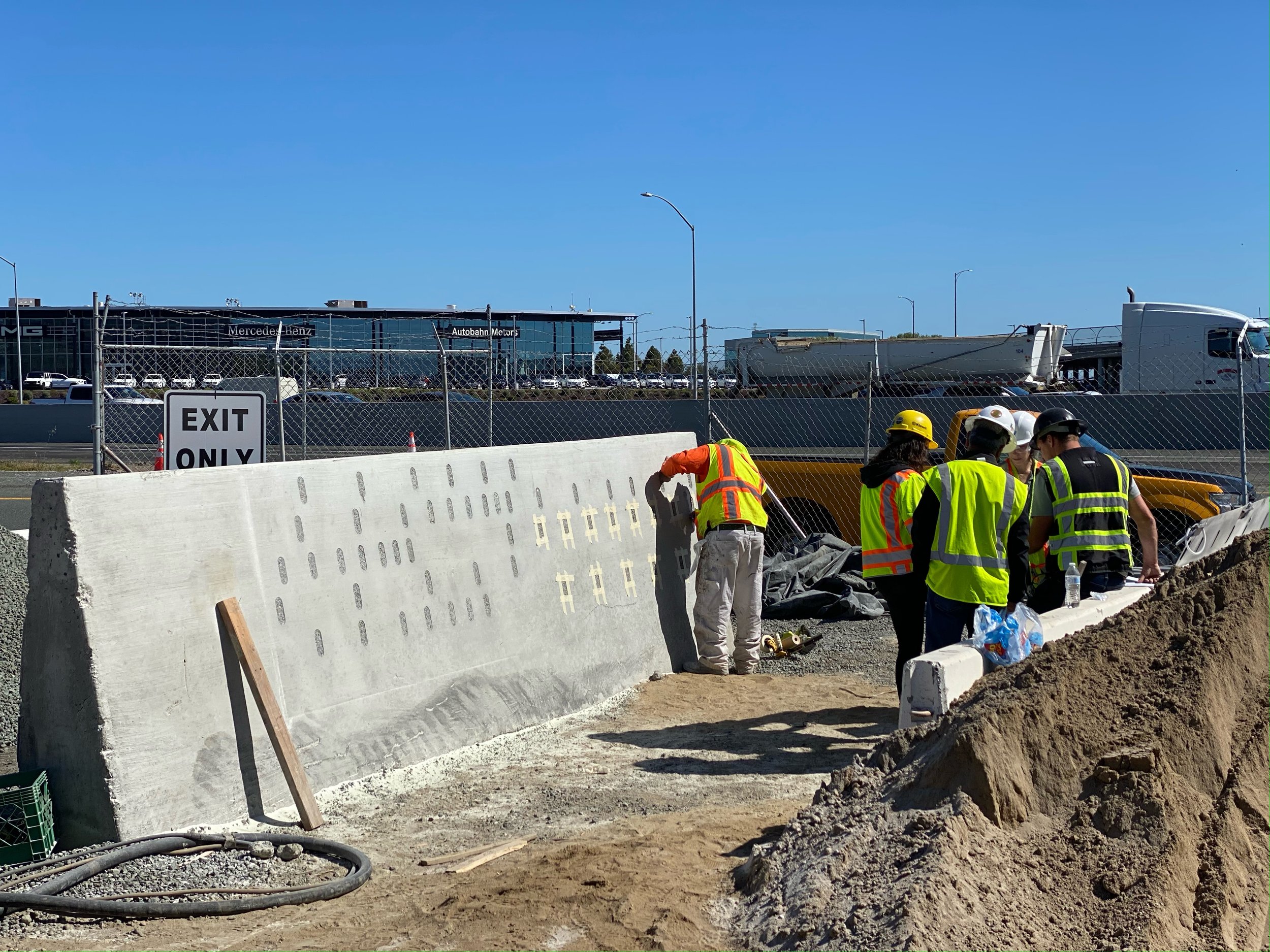
Concrete preparation in real project conditions.
PROJECT PROCESS
Start with the surface and the system that follows.
Define the scope.
Review plans, photos, square footage, existing coatings, concrete condition, and the intended final system.
Confirm the approach.
Use a representative test area or mockup when coating behavior, condition, or appearance requires verification.
Coordinate the site.
Confirm access, containment, equipment, production sequencing, work windows, and responsibilities.
Prepare the concrete.
Complete the approved preparation scope and coordinate turnover to the follow-on trade.
CONTRACTOR QUESTIONS
Concrete floor preparation, coatings, and profile.
What is the best method for preparing concrete for epoxy?
The coating system, existing concrete condition, and required profile guide the method. Shot blasting, abrasive blasting, grinding, or another process may be appropriate. Share the coating specification so PDB can evaluate the preparation scope.
Can you remove old epoxy from concrete?
Many coatings can be removed. The method depends on thickness, adhesion, flexibility, and concrete condition; a test area can help establish how the coating responds.
What CSP can you provide?
The achievable profile depends on equipment, media, substrate, and project requirements. PDB evaluates the preparation method against the specified coating or overlay system rather than promising one profile for every surface.
Can abrasive blasting damage concrete?
Improper media, pressure, dwell time, or technique can remove too much material. PDB selects the process for the substrate and desired result, with a test area where verification is needed.
Can you remove stains from concrete?
Surface staining may be reduced or removed. Deeply absorbed contamination can extend into the concrete and may not be fully removable without altering the substrate.
Do you provide test areas?
Representative test areas or mockups can be included where coating behavior, concrete condition, profile, or final appearance is uncertain. The test scope and approval requirements are agreed before production.
Mobile concrete preparation across the Bay Area.
PDB serves commercial projects in Oakland, San Francisco, San Jose, Sacramento, Alameda County, Contra Costa County, Santa Clara County, and Solano County. Contact PDB to discuss your project location, access, and schedule.
HAVE CONCRETE TO PREPARE?
Send the plans, photos, and coating requirements.
For faster review, include the project address, approximate square footage, concrete condition, current coating or sealer, desired surface profile, intended coating or overlay, and schedule. Attach plans, specifications, and available photos.
Commercial & Industrial Abrasive Blasting and Surface Preparation